
Construction Jobs Overseas
The global construction industry is evolving at a rapid pace. From smart cities and mega infrastructure projects to renewable energy plants and industrial developments, countries across the world are investing heavily in construction. This continuous expansion has created a strong demand for skilled and semi-skilled workers who can contribute to these large-scale projects.
For many individuals, construction jobs overseas are not just employment opportunities—they are a pathway to financial growth, international exposure, and long-term career development. However, getting selected for these roles requires a clear understanding of industry expectations, technical skills, compliance standards, and documentation processes.
This detailed guide explains everything a worker or professional needs to know before applying for construction jobs overseas, including skills, qualifications, requirements, and practical insights that are often overlooked.
Understanding the Global Construction Job Market
The demand for construction workers abroad is driven by several factors:
- Rapid urbanization and population growth
- Government investment in infrastructure
- Expansion of industrial and commercial sectors
- Development of transport systems such as metros, highways, and airports
- Increasing demand for residential housing
Countries in the Middle East, Europe, and Southeast Asia often rely on international manpower due to a shortage of local skilled labor. As a result, workers from countries like India are highly valued for their technical skills, adaptability, and work ethic.
However, global employers are becoming more selective. They are not only looking for workers who can perform tasks but also those who understand safety, quality standards, and international work culture.
Categories of Construction Jobs Overseas
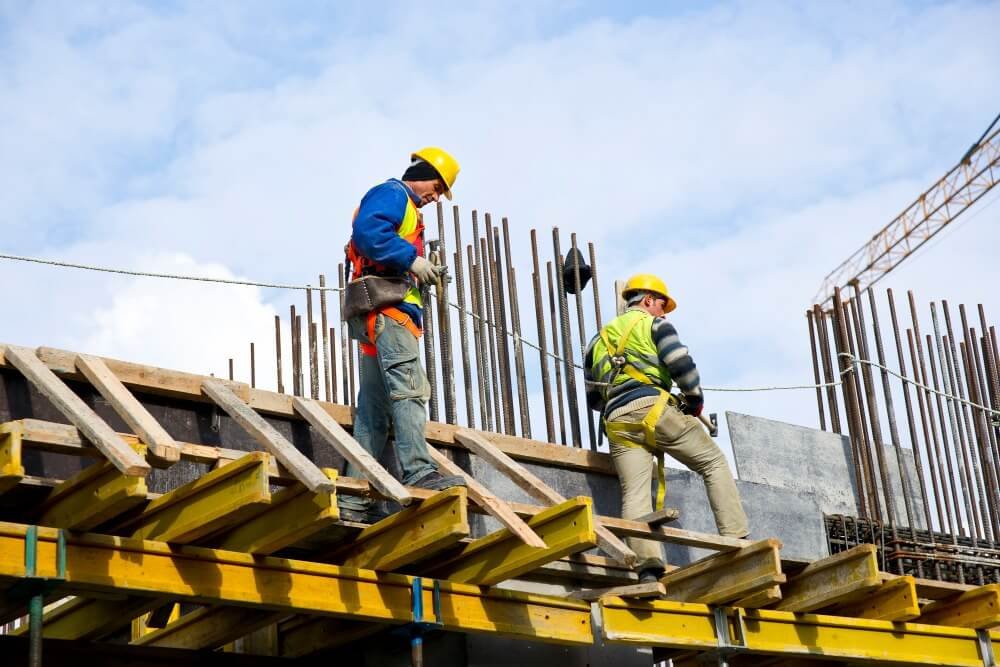
Before discussing skills and qualifications, it is important to understand the different levels of construction jobs available internationally.
Unskilled and Semi-Skilled Workers
These roles require basic knowledge of construction work and include:
- Helpers and general laborers
- Site assistants
- Material handlers
While entry-level, these jobs still require discipline, physical strength, and willingness to learn.
Skilled Workers
These are the most in-demand roles and include:
- Masons and tile fixers
- Carpenters and shuttering workers
- Electricians and plumbers
- Welders and fabricators
- Painters and finishers
Skilled workers are expected to perform tasks independently with minimal supervision.
Technical and Supervisory Roles
These positions require higher qualifications and experience:
- Civil engineers
- Site supervisors
- Quantity surveyors
- Project coordinators
- Safety officers
These professionals are responsible for managing teams, ensuring quality, and maintaining project timelines.
Core Technical Skills Required

Technical ability is the most critical factor in construction jobs overseas. Employers assess not just what you know, but how efficiently you can apply that knowledge on-site.
Trade-Specific Expertise
Each role requires specialized skills:
- Welders must understand different welding techniques such as MIG, TIG, and arc welding
- Electricians must be familiar with wiring systems, load distribution, and safety protocols
- Plumbers must understand pipeline systems, fittings, and pressure handling
- Carpenters must know formwork, measurement, and finishing techniques
Workers who can demonstrate precision and consistency in their trade are highly preferred.
Ability to Read Drawings and Layouts
Even for skilled workers, the ability to understand basic construction drawings is a valuable skill. It helps in:
- Accurate execution of tasks
- Reducing material wastage
- Improving coordination with supervisors
Workers who can interpret layouts often get better job opportunities and higher wages.
Equipment Handling Skills
Modern construction sites use advanced machinery and tools. Workers should be comfortable using:
- Power tools
- Cutting and drilling equipment
- Lifting machinery
- Concrete mixers and vibrators
For equipment operators, proper certification and experience are essential.
Advanced Skills That Improve Selection Chances

Beyond basic technical skills, certain advanced abilities can significantly increase your chances of getting selected.
Safety and Compliance Knowledge
International construction sites follow strict safety standards. Workers must:
- Use personal protective equipment (PPE) correctly
- Follow hazard control procedures
- Understand site safety signs and signals
- Participate in safety drills and training
Employers prefer candidates who have prior exposure to safety practices or certifications.
Time Management and Productivity
Construction projects operate on strict deadlines. Workers who can complete tasks efficiently without compromising quality are highly valued.
Adaptability and Problem-Solving
Working abroad often means dealing with unfamiliar environments, new technologies, and diverse teams. Workers who can adapt quickly and solve problems independently perform better in international settings.
Basic Communication Skills
Even basic English communication helps in:
- Understanding instructions
- Reporting issues
- Coordinating with team members
This skill is especially important for safety and teamwork.
Qualifications and Certifications
Qualifications vary depending on the role, but they play an important role in building credibility.
For Engineers and Technical Professionals
- Diploma or Degree in Civil Engineering or related field
- Knowledge of construction software and project management tools
- Experience in handling large-scale projects
For Skilled Workers
- ITI or trade certification (advantage but not always mandatory)
- Skill-based certifications (welding, electrical, plumbing, etc.)
- Experience certificates from previous employers
Safety Certifications
In many international projects, safety certifications are an added advantage. These may include:
- Basic safety training
- Construction safety awareness
- Equipment handling certifications
Such certifications show that the worker is prepared for international work environments.
Detailed Documentation Requirements
One of the most important but often overlooked aspects of overseas jobs is documentation. Proper documentation ensures a smooth visa process and avoids delays.
Workers must prepare:
- Valid passport with sufficient validity
- Updated resume with accurate details
- Passport size photographs
- Educational and technical certificates
- Work experience letters
- Medical fitness certificate from approved centers
- Police clearance certificate
Some countries may also require document attestation or embassy verification.
Real Challenges Workers Face Abroad

While construction jobs overseas offer many benefits, it is important to understand the challenges involved.
Cultural Adjustment
Workers may experience differences in language, food habits, and lifestyle. Adapting to a new environment takes time.
Weather Conditions
Extreme temperatures, especially in desert regions, can affect working conditions.
Work Pressure
Large-scale projects often have tight deadlines, which may require long working hours.
Strict Rules and Regulations
International employers follow strict policies related to attendance, performance, and safety compliance.
Being mentally prepared for these challenges helps workers succeed in the long term.
Salary Structure and Benefits
Construction jobs overseas often offer better financial rewards compared to domestic jobs. Benefits may include:
- Competitive salary packages
- Overtime payment
- Free or subsidized accommodation
- Transportation facilities
- Medical insurance
- Annual leave benefits
The exact benefits depend on the employer and country.
Importance of Choosing the Right Recruitment Agency
One of the most critical decisions for workers is selecting a reliable recruitment agency. A trusted agency ensures:
- Genuine job opportunities
- Transparent recruitment process
- Proper documentation and visa assistance
- Safe and legal employment contracts
Avoid dealing with unverified agents, as this can lead to fraud or unsafe job conditions.
Start Your Overseas Journey with AJI Group India
If you are planning to build a career in construction jobs overseas, working with an experienced recruitment company can make a significant difference.
AJI Group India is a trusted manpower recruitment company that connects skilled workers and professionals with international employers. The company recruits manpower across multiple industries including construction, hotels, medical, marine, engineering, oil field, operation and maintenance, and petrochemical sectors.
With a structured recruitment process and industry experience, AJI Group India helps candidates secure verified job opportunities and supports them through documentation, interviews, and visa procedures.
If you are ready to explore overseas construction jobs, AJI Group India can guide you at every step.
Contact Details:
Address (IND)
1307-1308, Padma Tower-1, Rajendra Place, Rajendra Place, New Delhi – 110008, India
+91 9873662164
+91 7827595594
+91 71501617309
ajinternational1985@gmail.com
Address (UAE)
A J INTERNATIONAL, Recruitment Services DMCC
Unit No. 1214, DMCC Business Centre Level No. 1
Jewellery & Gemplex 3, Dubai, UAE
+971 0501523869
info@ajinternational.co.in
Frequently Asked Questions (FAQs)
What are the most important skills for construction jobs overseas?
Technical skills, safety awareness, practical experience, and basic communication abilities are essential.
Do I need certification to work abroad in construction?
Certifications are not always mandatory but can improve your chances of selection and better salary packages.
How much experience is required?
Most employers prefer candidates with at least 2–5 years of relevant experience.
Are overseas construction jobs safe?
Yes, provided workers follow safety guidelines and work with reputable employers and recruitment agencies.
Which countries hire construction workers the most?
Countries like UAE, Saudi Arabia, Qatar, Oman, and Kuwait regularly recruit international construction workers.
Can recruitment agencies handle the entire process?
Yes, professional agencies assist with job placement, documentation, visa processing, and travel arrangements.