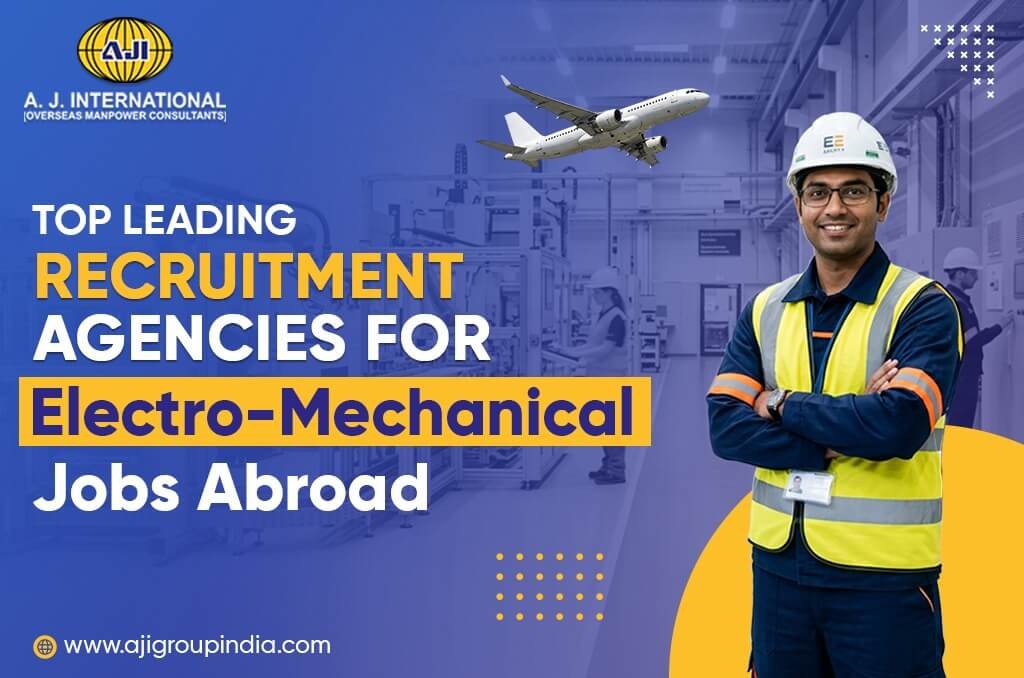
Top Leading Recruitment Agencies for Electro-Mechanical Jobs Abroad
Electro-Mechanical Jobs Abroad Electro-mechanical jobs play an important role in many industries around the world. From large construction projects and commercial buildings to factories, oil and gas plants, hotels, and industrial facilities, businesses depend on people who can install, maintain, inspect, and repair mechanical and electrical systems. Countries investing in infrastructure, industrial development, and building maintenance often need experienced electro-mechanical workers. However, finding the right job abroad is not always easy. Candidates need to understand the job requirements, check their qualifications, prepare the correct documents, and find a genuine employer. This is where recruitment agencies can help. A suitable recruitment agency connects employers with workers who have the required technical knowledge and practical experience. It can also help companies manage the hiring process when they need several technicians, supervisors, or engineers for an upcoming project. If you are looking for electro-mechanical jobs abroad, understanding how recruitment agencies work can help you make a better decision about your career. What Are Electro-Mechanical Jobs? Electro-mechanical work involves equipment and systems that combine electrical and mechanical components. These systems are commonly found in buildings, factories, industrial plants, commercial facilities, and infrastructure projects. For example, a large commercial building may have air-conditioning systems, electrical panels, pumps, generators, lifts, ventilation equipment, and fire safety systems. These systems need to be installed correctly and maintained throughout the life of the building. Electro-mechanical professionals help ensure that equipment works as expected and that technical problems are identified before they cause major interruptions. Depending on the project, electro-mechanical jobs may include: The exact job title and responsibilities vary from one employer to another. A technician working on a commercial building may have different duties from someone maintaining equipment at an oil and gas facility. Before applying for any overseas vacancy, candidates should read the job description carefully instead of assuming that every electro-mechanical position requires the same skills. Why Is There a Demand for Electro-Mechanical Workers Abroad? Electro-mechanical workers are required wherever buildings, machinery, and industrial systems need to be installed or maintained. One important area is construction. Large residential buildings, shopping centres, hospitals, hotels, airports, and commercial complexes require electrical, mechanical, plumbing, ventilation, and other building services. These systems need skilled workers at different stages of a project. Industrial facilities also depend on technicians who can maintain motors, pumps, electrical equipment, control systems, and production machinery. When equipment stops working, it can affect production schedules and increase operating costs. Oil and gas facilities, petrochemical plants, marine operations, and power-related projects may also require technical workers with specialised experience. The requirements can be more demanding in these environments because workers may need to follow strict safety procedures and understand industry-specific equipment. Demand is not the same in every country or at every time. Hiring depends on active projects, employer budgets, local employment rules, and the availability of suitable workers. For job seekers, this means it is better to focus on genuine vacancies that match their experience rather than relying on general claims that a particular country is hiring everyone. What Do Leading Recruitment Agencies for Electro-Mechanical Jobs Actually Do? A good recruitment agency does more than collect CVs and forward them to employers. Its role is to understand what the employer needs and identify candidates who are suitable for the available positions. The process usually involves several steps. 1. Understanding the Employer’s Requirements Before recruitment begins, the agency needs to understand the project and the positions that must be filled. For example, an employer working on a commercial building project may need electrical technicians, HVAC technicians, mechanical supervisors, and MEP engineers. The agency should understand the number of workers required, their experience levels, the equipment they will handle, and the expected joining date. It is also important to understand the working location. A technician working at a construction site may need different experience from someone responsible for maintaining an operating factory. When these requirements are clear, the recruitment process becomes more focused. 2. Finding Candidates With Relevant Experience Electro-mechanical work covers many different technical areas. A candidate with experience in domestic electrical repairs may not automatically be suitable for an industrial maintenance position. Recruitment agencies therefore need to look beyond job titles and examine actual work experience. For example, an employer may require a technician who has worked with industrial pumps, motors, electrical panels, and preventive maintenance schedules. Another employer may be looking for someone experienced in HVAC installation and troubleshooting. The candidate’s CV should clearly explain the type of equipment handled, the nature of the work performed, and the industries in which the person has worked. This makes it easier for the employer to decide whether the candidate meets the job requirements. 3. Arranging Technical Interviews and Skill Assessments For many electro-mechanical positions, a CV alone cannot establish whether a candidate has the required practical skills. Employers may arrange technical interviews, trade tests, practical assessments, or discussions about previous projects. An electrical technician may be asked about electrical safety, fault identification, and equipment maintenance. An HVAC technician may need to explain how they identify common system problems. An industrial maintenance technician may be assessed on their understanding of motors, pumps, or mechanical assemblies. The assessment depends on the position and the employer’s standards. A recruitment agency can help coordinate these assessments and communicate the employer’s expectations to candidates. However, candidates should be honest about their abilities and experience. Claiming skills they do not possess can create serious problems after joining. 4. Coordinating Documents and Recruitment Formalities International recruitment involves more than selecting a candidate. Depending on the destination country and the position, candidates may need to provide a passport, educational certificates, technical qualifications, work experience documents, medical reports, and other supporting paperwork. Some technical roles may require specific licences, certifications, or proof of training. These requirements should be checked for the particular job and country. Recruitment agencies may help coordinate document collection, interviews, and other hiring formalities. Candidates should still keep copies of their documents and independently understand the terms of the job offer. The employment