Hire Skilled Electro Mechanical Experts Through a Trusted Recruitment Company
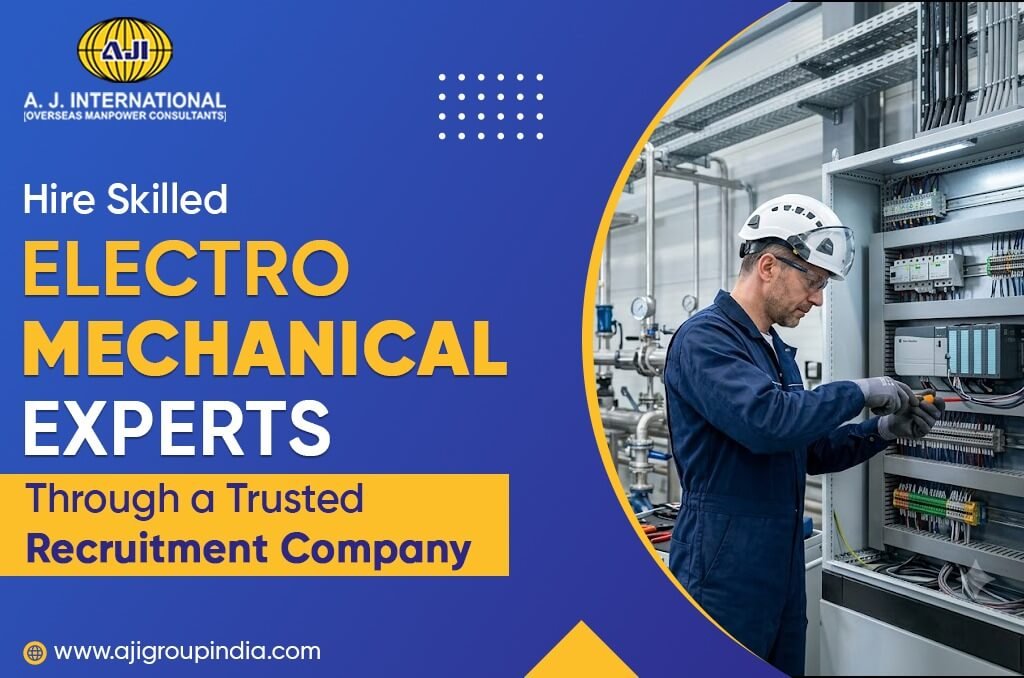
Hire Skilled Electro-Mechanical Experts Through a Trusted Recruitment Company Finding skilled electro-mechanical professionals is not always easy. Many industries depend on workers who understand both electrical systems and mechanical equipment. These professionals are needed to install machinery, maintain equipment, identify faults, repair systems, and keep industrial operations running smoothly. From factories and construction sites to oil and gas facilities, power projects, marine operations, and large industrial plants, electro-mechanical workers play an important role in daily operations. When a company does not have the right technical staff, even a small equipment problem can lead to delays and increased operating costs. For this reason, many employers choose to work with recruitment companies when hiring skilled electro-mechanical experts. A trusted recruitment partner can help companies find workers with the right combination of technical knowledge, practical experience, and industry exposure. What Is an Electro-Mechanical Expert? An electro-mechanical expert works with systems that combine electrical and mechanical components. These systems are commonly used in industrial equipment, manufacturing machinery, automation systems, pumps, motors, production lines, and other technical operations. The exact responsibilities can vary depending on the industry and job position. Some professionals focus more on electrical systems, while others work mainly with mechanical equipment. Many roles require knowledge of both areas. Common responsibilities may include: The right candidate needs more than just a qualification. Practical experience is also important because industrial problems often require quick thinking and hands-on knowledge. Why Electro-Mechanical Workers Are in Demand Modern industries depend heavily on machinery and automated systems. As businesses expand their production capacity, they need workers who can operate, maintain, and repair complex equipment. A manufacturing plant, for example, may use motors, conveyors, sensors, control panels, hydraulic systems, and other equipment at the same time. If one important system stops working, production can be affected. This is why companies need technical professionals who can understand the connection between mechanical and electrical systems. Electro-mechanical workers are commonly required in: The demand can be especially high when companies start new projects or expand existing operations. Why Hiring Through a Recruitment Company Can Help Many companies try to hire technical workers on their own. This can work for small-scale hiring, but large recruitment requirements can become difficult to manage. A recruitment company can support the employer throughout the hiring process. The agency may help with: This allows the employer to focus on its business while the recruitment partner manages the workforce search. Finding the Right Technical Skills One of the biggest challenges in Electro-mechanical recruitment is finding candidates with the exact skills required for a particular job. A company may need a technician who has experience with industrial motors. Another employer may need someone who understands automation systems, electrical control panels, pumps, compressors, or heavy machinery. A good recruitment process begins by understanding the actual job requirement. Before searching for candidates, the recruitment company should have a clear understanding of: This information helps the recruiter find candidates who are more suitable for the actual position instead of simply sending a large number of unrelated resumes. Experience Matters in Electro-Mechanical Recruitment A candidate may have a technical qualification but limited practical experience. For many industrial roles, employers require workers who have already worked with similar equipment or systems. Experience can be important in areas such as: A worker who has already faced similar technical problems may be able to respond faster when equipment failure occurs. This is one reason employers often prefer experienced electro-mechanical professionals for important projects. Technical Testing Helps Employers Make Better Decisions Resumes provide useful information, but they do not always show a candidate’s actual technical ability. For certain positions, trade tests and technical assessments can be useful. Depending on the job, candidates may be assessed on: Technical testing gives employers a better idea of whether a candidate can perform the required work. It also helps reduce the chances of hiring someone whose experience does not match the information mentioned on their resume. Recruitment for Overseas Electro-Mechanical Jobs International recruitment requires additional planning. When hiring workers from another country, employers must consider more than technical skills. Candidates may also need to complete documentation, medical examinations, visa procedures, and other formalities before travelling. A recruitment company can help coordinate these stages. The process may include: Understanding the Employer’s Requirement The recruitment agency first understands the number of workers required, job responsibilities, technical skills, experience, salary, and project details. Sourcing Suitable Candidates Candidates are sourced through recruitment databases, professional networks, existing contacts, and other recruitment channels. Screening and Shortlisting The candidates are reviewed based on qualifications, experience, technical skills, and job suitability. Interview and Trade Test Selected candidates may attend interviews and practical assessments. Document Verification Important documents such as passports, certificates, and experience letters are checked. Medical and Visa Process Candidates may then proceed through the required medical and visa procedures. Deployment Once the required process is completed, the selected workers can travel and join the employer according to the agreed schedule. This structured approach helps make international recruitment more organised. Industries That Need Electro-Mechanical Professionals Construction Large construction projects use various electrical and mechanical systems. Electro-mechanical workers may be required for equipment installation, maintenance, and site operations. Oil and Gas Oil and gas facilities rely on complex machinery and technical systems. Skilled technicians are required for maintenance, repairs, inspections, and equipment support. Petrochemical Petrochemical plants operate with specialised equipment and strict safety requirements. Experienced technical workers are often needed to support plant operations and maintenance. Manufacturing Factories depend on machinery and production lines. Electro-mechanical technicians help maintain equipment and reduce unnecessary downtime. Marine Marine and offshore operations require workers who understand technical systems used in ships, vessels, and offshore facilities. Operation and Maintenance Many facilities require technical professionals to maintain equipment over the long term. Preventive maintenance and quick repair work are important parts of these roles. Why Employers Should Choose a Trusted Recruitment Partner The quality of the recruitment partner can have a direct effect on the quality of the workforce. A reliable recruitment company should understand