Electro-Mechanical Jobs Abroad
Electro-mechanical jobs play an important role in many industries around the world. From large construction projects and commercial buildings to factories, oil and gas plants, hotels, and industrial facilities, businesses depend on people who can install, maintain, inspect, and repair mechanical and electrical systems.
Countries investing in infrastructure, industrial development, and building maintenance often need experienced electro-mechanical workers. However, finding the right job abroad is not always easy. Candidates need to understand the job requirements, check their qualifications, prepare the correct documents, and find a genuine employer.
This is where recruitment agencies can help. A suitable recruitment agency connects employers with workers who have the required technical knowledge and practical experience. It can also help companies manage the hiring process when they need several technicians, supervisors, or engineers for an upcoming project.
If you are looking for electro-mechanical jobs abroad, understanding how recruitment agencies work can help you make a better decision about your career.
What Are Electro-Mechanical Jobs?
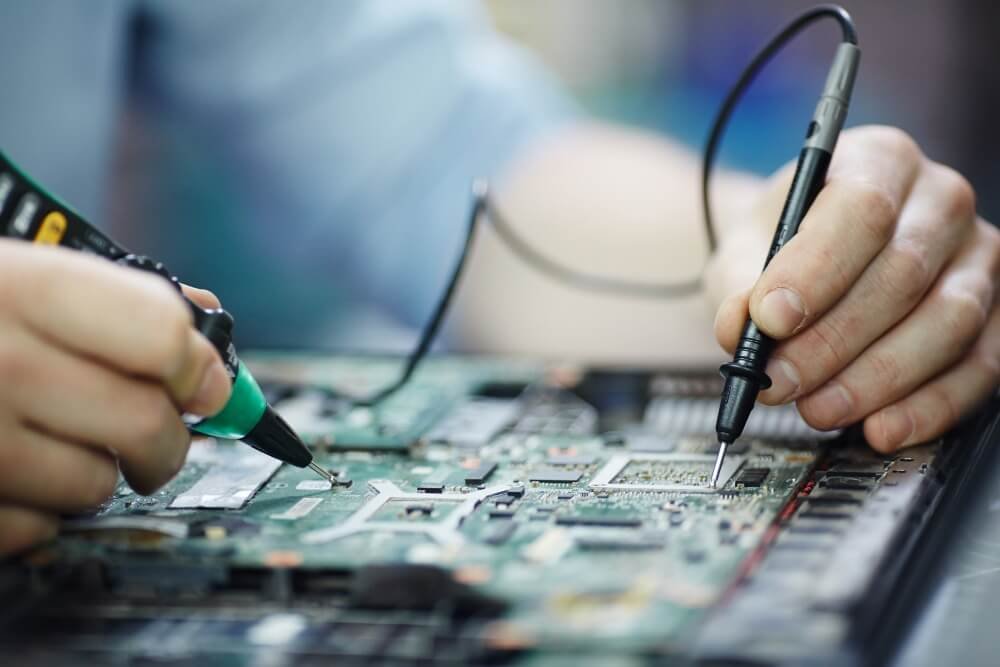
Electro-mechanical work involves equipment and systems that combine electrical and mechanical components. These systems are commonly found in buildings, factories, industrial plants, commercial facilities, and infrastructure projects.
For example, a large commercial building may have air-conditioning systems, electrical panels, pumps, generators, lifts, ventilation equipment, and fire safety systems. These systems need to be installed correctly and maintained throughout the life of the building.
Electro-mechanical professionals help ensure that equipment works as expected and that technical problems are identified before they cause major interruptions.
Depending on the project, electro-mechanical jobs may include:
- Electrical technicians
- Mechanical technicians
- Electro-mechanical technicians
- HVAC technicians
- Electrical and mechanical engineers
- MEP supervisors
- Maintenance technicians
- Pump and motor technicians
- Equipment installation technicians
- Testing and commissioning technicians
- Industrial maintenance workers
The exact job title and responsibilities vary from one employer to another. A technician working on a commercial building may have different duties from someone maintaining equipment at an oil and gas facility.
Before applying for any overseas vacancy, candidates should read the job description carefully instead of assuming that every electro-mechanical position requires the same skills.
Why Is There a Demand for Electro-Mechanical Workers Abroad?

Electro-mechanical workers are required wherever buildings, machinery, and industrial systems need to be installed or maintained.
One important area is construction. Large residential buildings, shopping centres, hospitals, hotels, airports, and commercial complexes require electrical, mechanical, plumbing, ventilation, and other building services. These systems need skilled workers at different stages of a project.
Industrial facilities also depend on technicians who can maintain motors, pumps, electrical equipment, control systems, and production machinery. When equipment stops working, it can affect production schedules and increase operating costs.
Oil and gas facilities, petrochemical plants, marine operations, and power-related projects may also require technical workers with specialised experience. The requirements can be more demanding in these environments because workers may need to follow strict safety procedures and understand industry-specific equipment.
Demand is not the same in every country or at every time. Hiring depends on active projects, employer budgets, local employment rules, and the availability of suitable workers.
For job seekers, this means it is better to focus on genuine vacancies that match their experience rather than relying on general claims that a particular country is hiring everyone.
What Do Leading Recruitment Agencies for Electro-Mechanical Jobs Actually Do?

A good recruitment agency does more than collect CVs and forward them to employers. Its role is to understand what the employer needs and identify candidates who are suitable for the available positions.
The process usually involves several steps.
1. Understanding the Employer’s Requirements
Before recruitment begins, the agency needs to understand the project and the positions that must be filled.
For example, an employer working on a commercial building project may need electrical technicians, HVAC technicians, mechanical supervisors, and MEP engineers.
The agency should understand the number of workers required, their experience levels, the equipment they will handle, and the expected joining date.
It is also important to understand the working location. A technician working at a construction site may need different experience from someone responsible for maintaining an operating factory.
When these requirements are clear, the recruitment process becomes more focused.
2. Finding Candidates With Relevant Experience
Electro-mechanical work covers many different technical areas. A candidate with experience in domestic electrical repairs may not automatically be suitable for an industrial maintenance position.
Recruitment agencies therefore need to look beyond job titles and examine actual work experience.
For example, an employer may require a technician who has worked with industrial pumps, motors, electrical panels, and preventive maintenance schedules. Another employer may be looking for someone experienced in HVAC installation and troubleshooting.
The candidate’s CV should clearly explain the type of equipment handled, the nature of the work performed, and the industries in which the person has worked.
This makes it easier for the employer to decide whether the candidate meets the job requirements.
3. Arranging Technical Interviews and Skill Assessments
For many electro-mechanical positions, a CV alone cannot establish whether a candidate has the required practical skills.
Employers may arrange technical interviews, trade tests, practical assessments, or discussions about previous projects.
An electrical technician may be asked about electrical safety, fault identification, and equipment maintenance. An HVAC technician may need to explain how they identify common system problems. An industrial maintenance technician may be assessed on their understanding of motors, pumps, or mechanical assemblies.
The assessment depends on the position and the employer’s standards.
A recruitment agency can help coordinate these assessments and communicate the employer’s expectations to candidates. However, candidates should be honest about their abilities and experience. Claiming skills they do not possess can create serious problems after joining.
4. Coordinating Documents and Recruitment Formalities
International recruitment involves more than selecting a candidate.
Depending on the destination country and the position, candidates may need to provide a passport, educational certificates, technical qualifications, work experience documents, medical reports, and other supporting paperwork.
Some technical roles may require specific licences, certifications, or proof of training. These requirements should be checked for the particular job and country.
Recruitment agencies may help coordinate document collection, interviews, and other hiring formalities. Candidates should still keep copies of their documents and independently understand the terms of the job offer.
The employment contract, salary, job title, work location, and visa arrangements should be clear before travelling.
How to Choose a Recruitment Agency for Electro-Mechanical Jobs Abroad

There are many recruitment companies offering overseas employment services, but not every agency will have experience with technical and industrial positions.
Choosing the right agency requires some research.
Look for Relevant Industry Experience
An agency that understands construction, industrial maintenance, engineering, oil and gas, or petrochemical recruitment may be better placed to understand the requirements of electro-mechanical jobs in those sectors.
Ask whether the agency has handled similar positions and whether it understands the technical skills required for the vacancy.
An agency’s general experience is useful, but the suitability of a particular recruitment process also depends on the actual employer and job.
Check the Recruitment Process
A professional recruitment process should explain how candidates are shortlisted, how interviews are arranged, and what happens after selection.
Candidates should know which employer is hiring, what position is available, and what qualifications are required.
Be cautious when someone offers an overseas job without asking about your experience or technical background. Genuine technical hiring normally involves checking whether a candidate can perform the work.
Verify Registration and the Job Offer
For Indian candidates seeking employment abroad, checking the recruitment agent’s current registration is an important step.
The Ministry of External Affairs provides information and guidance about overseas employment through its official website. Candidates should consult the relevant government resources and independently verify the agent’s current status before proceeding.
You can begin with the official Ministry of External Affairs overseas employment guidance.
Do not rely only on a website, social media page, office photograph, or an old registration number as proof that an agency is currently authorised.
The employer and job offer should also be verified. Be careful if someone promises a guaranteed job, asks for money before providing clear details, or pressures you to travel on a tourist visa for employment.
Understand the Charges and Contract
Before making any payment, ask for a written explanation of the charges and obtain receipts for any permitted payments.
Read the employment contract carefully. It should clearly explain important terms such as salary, working hours, overtime, leave, accommodation, insurance, contract duration, and other benefits where applicable.
If something is unclear, ask for clarification before signing.
A job abroad may offer a higher salary than a similar position in India, but the final financial benefit also depends on living expenses, deductions, working conditions, and the terms of employment.
Which Skills Are Important for Electro-Mechanical Jobs Overseas?
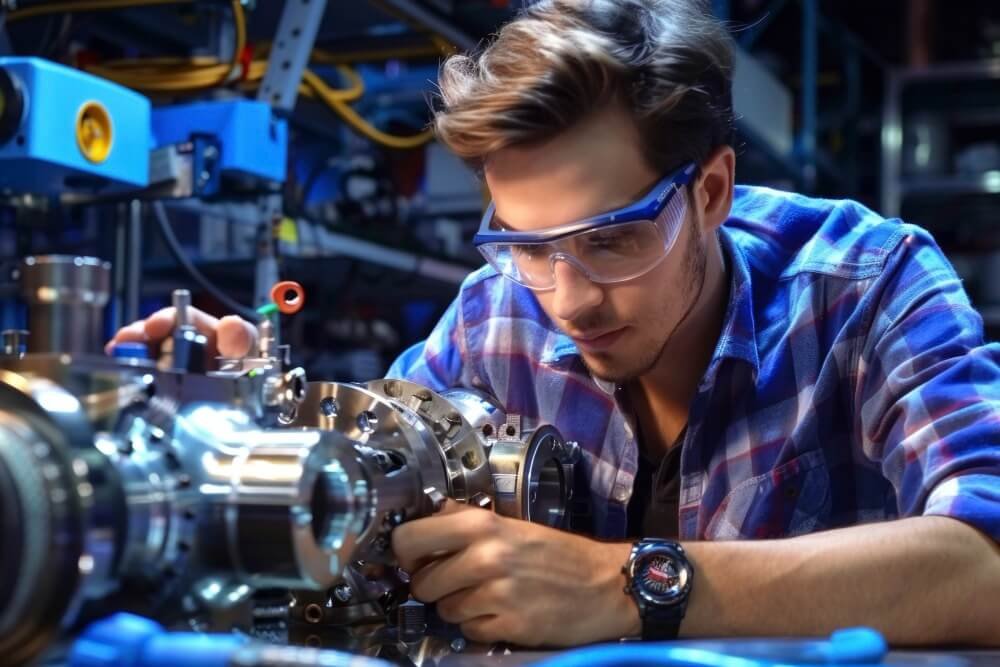
The skills required depend on the position, but employers generally look for a combination of technical knowledge, practical experience, and workplace discipline.
Electrical Knowledge
Electrical technicians may need experience with wiring, electrical panels, motors, cable installation, fault identification, and maintenance procedures.
For industrial positions, experience with the relevant equipment and safety requirements can be especially important.
Mechanical Maintenance
Mechanical technicians may work with pumps, motors, valves, bearings, rotating equipment, or other machinery.
Employers often value candidates who can identify faults, perform preventive maintenance, and follow equipment maintenance instructions.
HVAC and Building Services
HVAC technicians work with heating, ventilation, and air-conditioning systems. Their duties may include installation, servicing, troubleshooting, and routine maintenance.
For commercial building projects, employers may also look for experience with other mechanical and electrical building services.
Reading Technical Drawings
Depending on the position, workers may need to understand electrical diagrams, mechanical drawings, equipment layouts, or installation plans.
The ability to follow technical instructions accurately can help prevent installation mistakes and reduce rework.
Safety Awareness
Safety is a major part of electro-mechanical work. Employees may need to follow site procedures, use personal protective equipment, and understand the risks associated with electrical systems and moving machinery.
Some projects may require specific safety training or certifications.
Candidates should check the requirements of the actual employer instead of assuming that one certificate is accepted everywhere.
Countries and Projects Where Electro-Mechanical Workers May Find Opportunities
Electro-mechanical jobs can be available in different international markets, but the type of work and recruitment requirements vary by country.
Gulf Countries
Countries such as the United Arab Emirates, Saudi Arabia, Qatar, Oman, and Kuwait have construction, building maintenance, industrial, and infrastructure projects that may require electro-mechanical workers.
Vacancies can include HVAC technicians, MEP supervisors, electrical technicians, mechanical technicians, and maintenance engineers.
Candidates should compare the salary and employment conditions rather than choosing a job based on the destination alone.
European Markets
Some European markets recruit technical workers for industrial operations, building services, manufacturing, and maintenance.
However, language requirements, qualifications, work authorisation, and recognition of technical credentials can vary considerably. Candidates should confirm these conditions before accepting an offer.
Industrial and Energy Projects
Oil and gas, petrochemical, marine, and other industrial projects may require technicians and engineers with experience in specialised equipment.
These roles can have stricter requirements for safety training, previous project experience, and technical qualifications.
A candidate’s chances depend on how closely their experience matches the employer’s requirements and whether they meet the destination country’s employment rules.
Why Employers Need a Recruitment Agency for Electro-Mechanical Hiring
Hiring technical workers can take time, especially when a project requires several categories of employees at once.
An employer may need electricians, mechanical technicians, HVAC workers, supervisors, and engineers within a specific period. Each position may have different qualification and experience requirements.
Recruitment agencies can help organise this process by sourcing candidates, screening CVs, arranging interviews, and coordinating documentation.
For large projects, recruitment planning is particularly important. If the mechanical team arrives before the required equipment is ready, or the electrical team is unavailable when installation begins, project schedules can be affected.
A planned recruitment process helps employers identify the required workforce in advance and organise hiring according to the project’s needs.
Agencies can also help employers communicate job requirements clearly. This reduces the risk of selecting candidates whose experience does not match the actual work.
However, the employer remains responsible for defining the position, providing accurate employment terms, and meeting its obligations under the applicable laws and contract.
Common Mistakes Candidates Should Avoid

People looking for electro-mechanical jobs abroad sometimes focus only on the salary or destination country. This can cause them to overlook important details.
One common mistake is applying for every technical vacancy without checking the required experience. A person with electrical installation experience may not meet the requirements of a specialised industrial maintenance role.
Another mistake is submitting a CV that lists general duties but does not explain the equipment handled or the type of projects completed. A clear CV should describe actual work experience and relevant technical skills.
Candidates should also avoid trusting job advertisements simply because they appear professional. Fake advertisements can use copied company names, photographs, and logos.
Never assume that a selection message means the employment process is complete. Confirm the employer, contract, visa arrangements, and any required clearances before making travel plans.
Finally, do not sign documents you do not understand. Ask questions and keep copies of the employment offer and signed contract.
How AJI Group India Supports Manpower Recruitment
Companies working in construction, industrial maintenance, engineering, and related sectors often need people with different technical backgrounds. Their requirements may include skilled workers, technicians, supervisors, engineers, and other support staff.
AJI Group India provides manpower recruitment solutions for a range of industries, including construction, hotels, medical, marine, engineering, oil field, operations and maintenance, and petrochemical sectors.
Its recruitment work covers different workforce categories according to employer and project requirements. For electro-mechanical hiring, the suitability of a candidate depends on the vacancy, the technical experience required, and the employer’s selection process.
Employers looking to recruit technical manpower can share their job descriptions, required experience, workforce numbers, work location, and expected hiring schedule. Clear information helps establish the type of candidates needed and makes the recruitment process more organised.
Candidates interested in overseas employment should review the specific vacancy and independently verify the relevant recruitment authorisation, employer details, and employment terms before paying fees or travelling.
To learn more about AJI Group India’s recruitment services, visit its official website and contact the company regarding your manpower requirements or suitable job opportunities.
Frequently Asked Questions
1. What are electro-mechanical jobs abroad?
Electro-mechanical jobs involve installing, operating, inspecting, or maintaining equipment that combines electrical and mechanical components. These jobs are found in construction, industrial plants, manufacturing, commercial buildings, and maintenance projects.
2. Which positions are available in electro-mechanical recruitment?
Depending on the employer, vacancies may include electrical technicians, mechanical technicians, HVAC technicians, MEP supervisors, maintenance engineers, industrial maintenance workers, and testing and commissioning technicians.
3. What qualifications are required for electro-mechanical jobs overseas?
Requirements vary by position. Some jobs require a technical diploma or engineering degree, while others may accept relevant trade training and practical experience. Certain employers may also require specialised certifications or safety training.
4. How can I find a genuine overseas electro-mechanical job?
Start by checking the employer and recruitment agency, reading the complete job description, and verifying the employment contract. Indian candidates should also check the recruitment agent’s current registration through official government resources and confirm the applicable visa and emigration requirements.
5. Do recruitment agencies arrange technical interviews?
Many agencies coordinate interviews and practical assessments according to the employer’s hiring process. The assessment may cover technical knowledge, previous work experience, equipment familiarity, and job-specific skills.
6. Are electro-mechanical jobs available in Gulf countries?
Electro-mechanical vacancies may arise in Gulf countries across construction, building services, industrial maintenance, and energy-related projects. Availability depends on current employer requirements, project activity, and the candidate’s qualifications.
7. What should I check before accepting an overseas job offer?
Check the employer’s identity, job title, salary, working hours, overtime arrangements, accommodation, benefits, contract duration, and visa requirements. Make sure the written terms match what you were told during recruitment.
8. Does AJI Group India provide recruitment services for technical industries?
AJI Group India provides manpower recruitment solutions across several sectors, including construction, engineering, marine, oil field, operations and maintenance, and petrochemical industries. Employers can contact the company to discuss their workforce requirements and the suitability of candidates for particular vacancies.
Conclusion
Electro-mechanical jobs abroad can offer opportunities for people with the right technical skills and practical experience. However, finding a suitable position involves more than searching for vacancies or comparing salaries.
Candidates should understand the work, prepare a clear CV, check their qualifications, and verify the recruitment agency and employer before accepting an offer.
Employers, meanwhile, need a recruitment process that identifies candidates according to the actual technical requirements of the project. A clear job description, proper screening, and organised documentation can make hiring more effective.
Whether you are an employer looking for technical manpower or a candidate exploring overseas employment, take the time to check the details and make an informed decision. A suitable job match is more likely to lead to a stable working relationship for both sides.